
Federal College of Education, Zaria
The Federal College of Education, Zaria stands as one of Nigeria’s foremost institutions for teacher preparation and educational advancement. Founded in November 1962 as the Northern Secondary Teachers’ College, the institution was later restructured and renamed the Advanced Teachers’ College, …

Overview
The Federal College of Education, Zaria stands as one of Nigeria’s foremost institutions for teacher preparation and educational advancement. Founded in November 1962 as the Northern Secondary Teachers’ College, the institution was later restructured and renamed the Advanced Teachers’ College, Zaria, operating under the supervision of Ahmadu Bello University until the early 1990s. It subsequently attained full federal status and adopted its present name, reinforcing its mandate to produce highly skilled, professionally grounded educators for Nigeria’s growing educational system.
Situated in Zaria, Kaduna State, the College embodies a clear and forward-looking vision captured in its motto: “To train teachers for the service of the dynamic society through renewed research.” Over the years, it has expanded significantly in infrastructure and academic scope, developing modern lecture theatres, specialized laboratories, and a resource-rich library environment designed to foster excellence in teaching, learning, and scholarly research.
Today, the institution continues to evolve as a center of innovation in teacher education, combining tradition with progress to shape educators equipped for the demands of a changing society.
Research and Academic Excellence
The Federal College of Education, Zaria has built a strong reputation not only as a teacher-training institution but also as a center for impactful educational research. The College promotes a vibrant academic culture where lecturers, researchers, and postgraduate scholars engage in studies that address contemporary challenges in teaching, learning, and educational development.
A flagship example of this scholarly commitment is the Zaria Journal of Empirical Studies in Education (ZAJESE) — a peer-reviewed publication that showcases rigorous research in areas such as experimental studies, correlational analysis, and longitudinal investigations. Through this platform, the College contributes valuable insights that influence classroom practice, teacher development strategies, and national education policy.
Beyond journal publications, research at the College spans critical areas including teacher preparation, curriculum innovation, educational psychology, assessment practices, and technology-enhanced learning. By combining theory with practical application, the institution continues to strengthen its role as a thought leader in educational advancement.
How to Apply Application Process
Applying to the Federal College of Education, Zaria is structured to be straightforward and transparent:
Access the Online Portal
Prospective candidates begin by creating an account on the College’s official admission portal.
Generate Payment Reference (RRR)
After registration, applicants generate a Remita Retrieval Reference (RRR) to pay the prescribed application fee through approved payment channels.
Complete the Application Form
Once payment is confirmed, candidates log back into the portal to finalize and submit their application. Applicants are advised to print acknowledgment slips and screening details.
Participate in Screening
Qualified applicants may be invited for screening, interviews, or verification exercises depending on the programme applied for.
Admission Programmes
Traditionally, the College has offered the Nigeria Certificate in Education (NCE) as its core qualification, alongside degree programmes run in affiliation with recognized universities.
However, ongoing reforms in Nigeria’s teacher education framework are positioning the institution toward a broader university-of-education model, expanding opportunities for undergraduate and postgraduate studies. This transition reflects a strategic effort to enhance academic depth and institutional autonomy.
Admission Deadlines
Admission timelines vary depending on the academic session and programme category. Key phases typically include:
UTME and Screening Registration: Applicants must complete registration in line with deadlines set by the College and the Joint Admissions and Matriculation Board (JAMB).
Release of Admission Lists: Successful candidates are usually announced toward the end of the admission cycle, often between September and October for regular programmes.
Because schedules may change annually, applicants are strongly encouraged to monitor the College’s official website and admission portal for accurate updates.
Admission Requirements and Required Documents General Entry Requirements
For NCE Programmes
Minimum of five (5) credit passes in WAEC, NECO, or equivalent examinations.
Credits must include English Language and Mathematics.
Results should be obtained in not more than two sittings.
For Degree Programmes
UTME or Direct Entry qualifications as stipulated by JAMB.
Required subject combinations relevant to the chosen course of study.
Additional criteria as determined by affiliated or awarding institutions.
Documents Required for Screening and Registration
Applicants are generally required to present
Original and photocopies of O’Level results (WAEC/NECO/NABTEB).
UTME result slip and JAMB admission letter (where applicable).
Birth certificate or sworn age declaration.
Recent passport photographs.
Direct Entry credentials (for DE candidates).
Any additional documents specified for the chosen programme.
Since admission policies may evolve, candidates should verify current requirements through the College’s official communication channels before submission.
You May Like
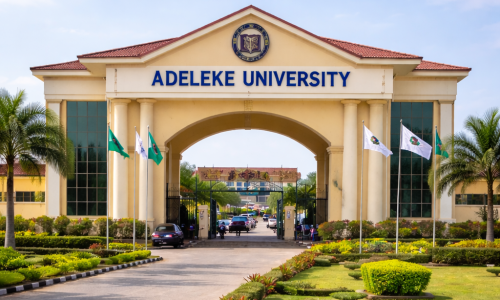
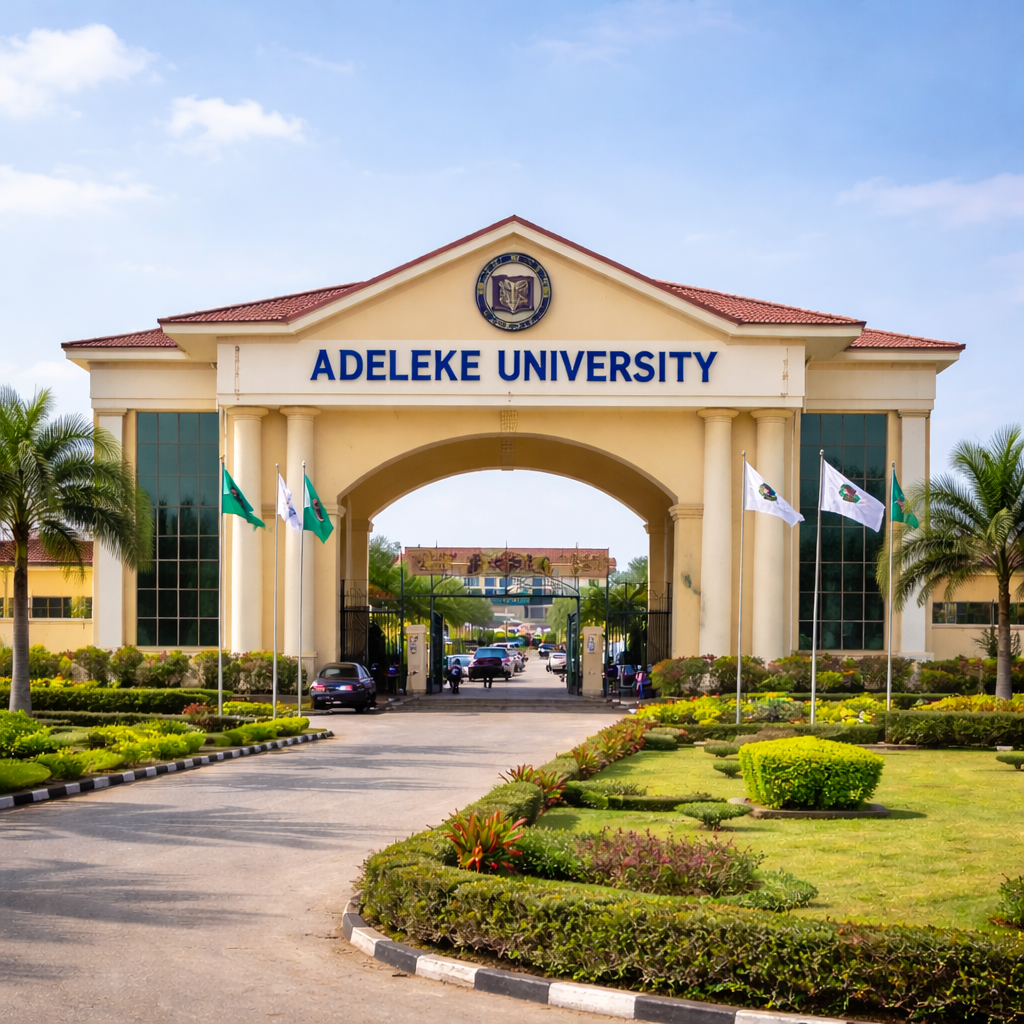
Adeleke University
Adeleke University is a distinguished private, faith-based institution situated in Ede, Osun State, in southwestern Nigeria. Established in 2011 by renowned philanthropist Dr. Adedeji Adeleke,...
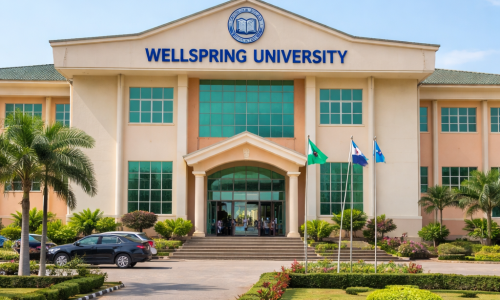
Wellspring University
Wellspring University is a forward-thinking, faith-driven private university situated in Benin City, Edo State, Nigeria. Officially licensed by the Federal Government of Nigeria in 2009,...
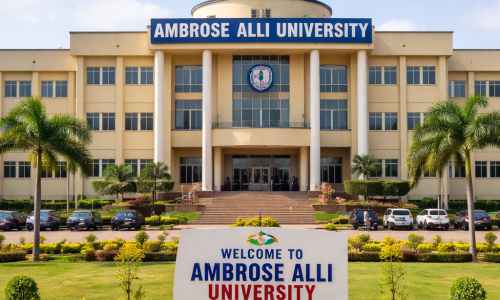
Ambrose Alli University
Ambrose Alli University (AAU), located in Ekpoma, Edo State, Nigeria, is one of the country’s prominent state-owned universities. Known for academic resilience, research growth, and...
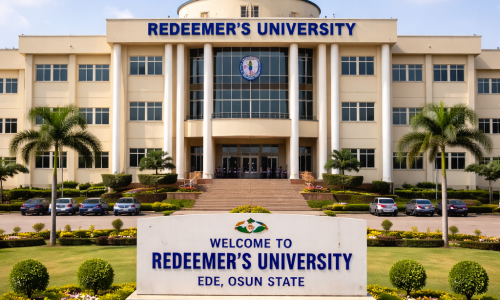
Redeemer’s University
Redeemer’s University was founded in 2005 in Ede, Osun State, as a visionary private university established by the Redeemed Christian Church of God. Created as...

Kaduna State University
Kaduna State University remains a competitive and respected institution in Nigeria. To secure admission in 2026, candidates must meet JAMB and O’Level requirements, apply promptly...
Course Features
- Lecture 0
- Quiz 0
- Duration 10 weeks
- Skill level All levels
- Language English
- Students 0
- Assessments Yes