

Research Excellence and Academic Distinction
At the University of Abuja, research stands alongside teaching and community engagement as a central pillar of its mandate. The institution continues to strengthen its research culture by investing in infrastructure, partnerships, and academic development initiatives that position it as a growing force within Nigeria’s knowledge economy.
Through its research directorates and affiliated centres, the university supports scholarly publication in reputable journals, attracts competitive research grants, and contributes meaningfully to national conversations in science, health, technology, governance, and social development.
An established institutional repository preserves theses, dissertations, conference papers, and other academic outputs, ensuring accessibility, visibility, and long-term knowledge preservation.
Specialised centres such as the Centre of Excellence for Sickle Cell Research and Training (CESRTA) lead high-impact, targeted research addressing pressing public health challenges. In addition, the Centre for Innovation in Teaching and Research (CITR) enhances academic capacity through professional development workshops, digital research tools, and technology-driven learning solutions.
The growing presence of UNIABUJA scholars in international research networks and global academic rankings reflects the university’s expanding scholarly influence and commitment to research-driven progress.
Undergraduate Admission Requirements
Prospective applicants for the 2026 academic session must satisfy the university’s admission criteria as outlined below:
- UTME Score – A minimum score of 180 in the Unified Tertiary Matriculation Examination (UTME). Highly competitive programmes such as Medicine, Law, and Engineering typically demand higher departmental cut-off marks.
- O’Level Requirements – At least five credit passes in relevant subjects, including English Language and Mathematics, obtained in not more than two sittings.
- Direct Entry Candidates- Applicants seeking admission at the 200 level must possess recognised qualifications such as ND, NCE, HND, or a first degree, alongside the required O’Level credits. Admission eligibility may vary depending on the programme and qualification type.
Because admission standards differ across faculties and departments, candidates are strongly advised to confirm subject combinations and specific requirements through the official admissions portal before applying.
Undergraduate Admission Process
Admission into the University of Abuja follows a structured, merit-based process:
UTME Registration and Examination
Candidates must sit for the UTME and select the University of Abuja as their first-choice institution.Post-UTME / Screening Registration
Following the release of UTME results, eligible candidates register through the university’s online portal. This involves entering JAMB details, completing personal information, uploading academic credentials, and paying the approved screening fee.Screening Exercise
Applicants participate in the university’s screening process within the announced period.Release of Screening Results
Screening outcomes are published online and form a key component of admission consideration.Admission Offer and Acceptance
Successful candidates receive admission offers through both the university portal and JAMB CAPS. Offers must be accepted within the stipulated timeframe to secure placement.
In recent cycles, registration has typically opened between August and early September. For the 2026 academic session, the admission process is expected to commence mid-2026 following the release of UTME results, with official dates published on the university portal.
Admission Timeline and Key Dates
Opening of Admission Portal –Expected around June–July 2026 after UTME results are released.
Screening Registration Deadline- Historically around early September, subject to official confirmation.
Screening Period- Conducted shortly after registration closes.
Admission List Release- Uploaded in batches to JAMB CAPS and the university portal.
Postgraduate admissions operate on separate timelines, often later in the academic year. Applicants should consult the Postgraduate School portal for confirmed 2026 deadlines and application procedures.
You May Like
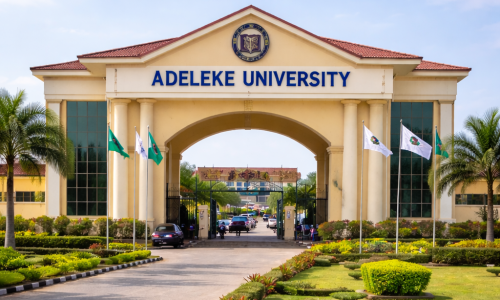
Adeleke University
Adeleke University is a distinguished private, faith-based institution situated in Ede, Osun State, in southwestern Nigeria. Established in 2011 by renowned philanthropist Dr. Adedeji Adeleke,...
Federal College of Education, Zaria
The Federal College of Education, Zaria stands as one of Nigeria’s foremost institutions for teacher preparation and educational advancement. Founded in November 1962 as the...
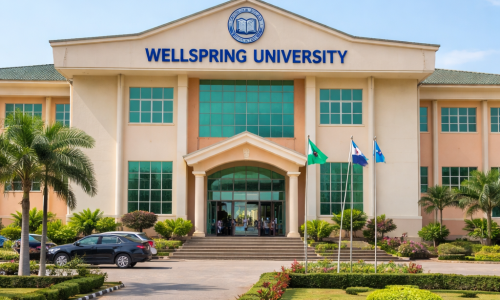
Wellspring University
Wellspring University is a forward-thinking, faith-driven private university situated in Benin City, Edo State, Nigeria. Officially licensed by the Federal Government of Nigeria in 2009,...
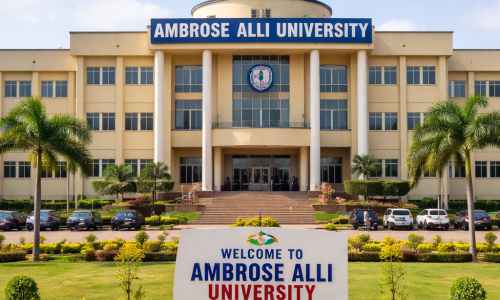
Ambrose Alli University
Ambrose Alli University (AAU), located in Ekpoma, Edo State, Nigeria, is one of the country’s prominent state-owned universities. Known for academic resilience, research growth, and...
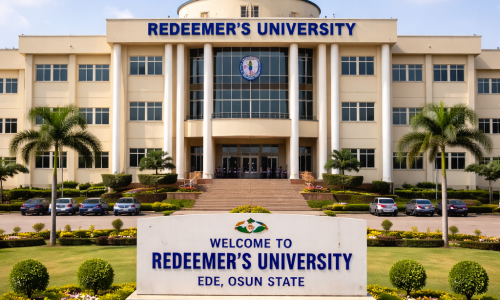
Redeemer’s University
Redeemer’s University was founded in 2005 in Ede, Osun State, as a visionary private university established by the Redeemed Christian Church of God. Created as...

Course Features
- Lecture 0
- Quiz 0
- Duration 10 weeks
- Skill level All levels
- Language English
- Students 0
- Assessments Yes